
 EN
EN
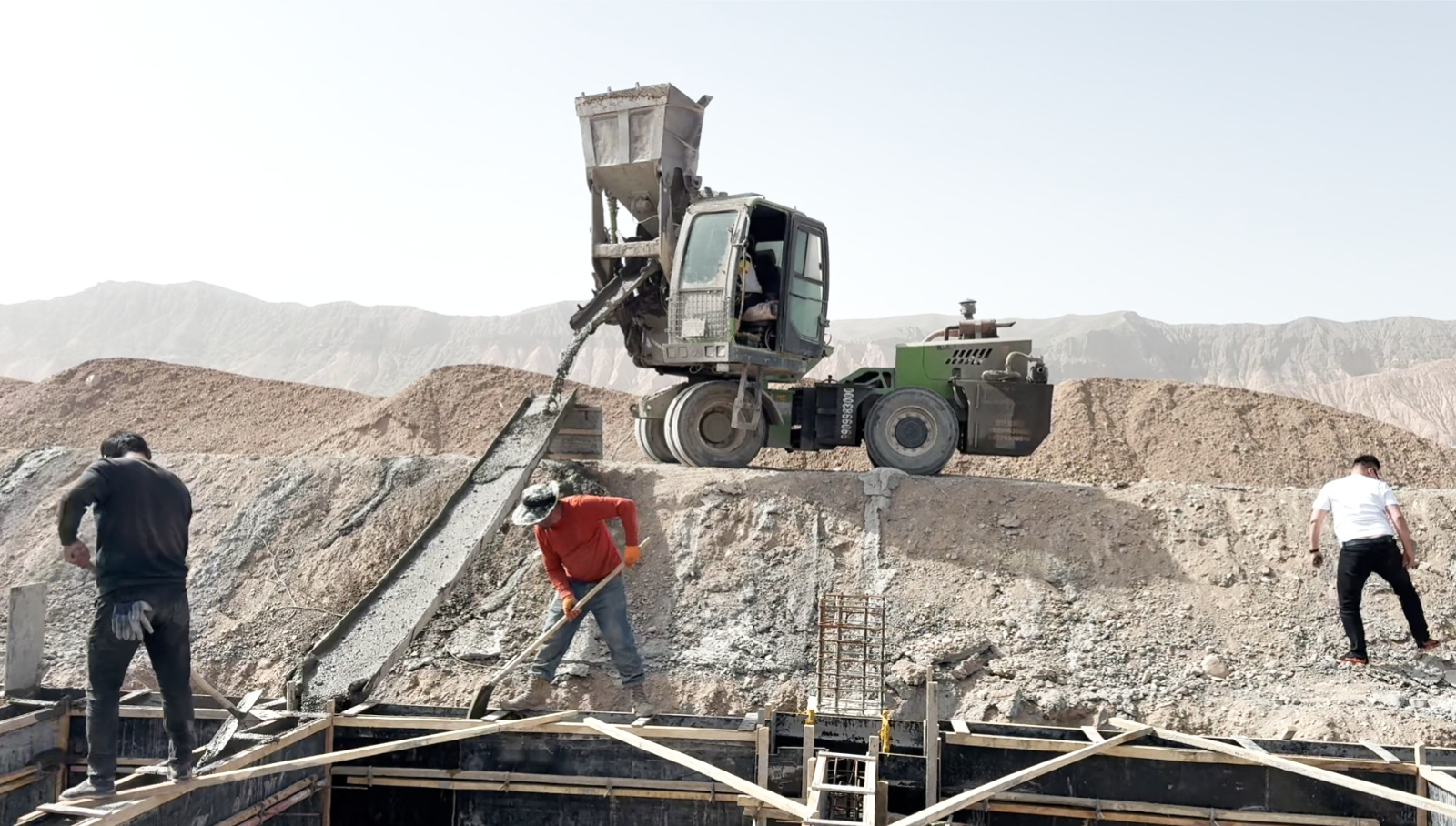
Smart Technology Integration: AI, IoT, and Automation for Enhanced Efficiency
Modern self-loading mixer trucks achieve 12–15% higher operational efficiency through AI, IoT, and automation. Industry surveys show 45% of construction technology leaders prioritize IoT investments for real-time equipment monitoring (Wintrust, 2023). These systems reduce downtime while balancing autonomous functions with operator expertise.
AI-Driven Route Optimization and Job Scheduling
AI algorithms analyze traffic, weather, and project timelines to optimize mixer truck routes, cutting idle time by 18% on average. Machine learning adapts schedules for multi-site projects, prioritizing urgent pours and minimizing fuel consumption.
IoT for Real-Time Monitoring of Mixer Operations and Equipment Health
Embedded IoT sensors track drum RPM, hydraulic pressure, and concrete consistency, sending alerts for deviations exceeding 5% from baseline. A 2024 Material Flexibility Study found IoT-enabled predictive maintenance reduces unplanned repairs by 32% in mixer fleets.
Automation in Drum Rotation and Load Sensing
Servo-controlled drum motors auto-adjust rotation speed based on concrete viscosity, maintaining optimal 12–15 RPM mixing. Laser-based load sensors measure aggregate proportions within 0.5% accuracy, preventing overloading.
Operator Assistance Interfaces to Minimize Human Error
Augmented reality dashboards project mixing cycle status and safety zones, reducing misoperation incidents by 41%. Voice-guided troubleshooting provides step-by-step solutions for 92% of common hydraulic errors.
Balancing Automation with Skilled Operator Roles
While automation handles repetitive tasks, experienced operators oversee quality control and complex sites. Training programs now focus on interpreting AI diagnostics rather than manual adjustments.
Advanced Hydraulic Systems for Reliable Self-Loading and Mixing Performance
Innovations in Hydraulic Design for Improved Power Transfer
Self loading mixer trucks these days come equipped with dual circuit hydraulic systems featuring variable displacement pumps. These setups typically cut down cycle times by around 15 to 20 percent when compared to older single pump models according to Ponemon's research from 2023. The latest load sensing tech works smartly too adjusting fluid flow as needed based on what the system encounters. This keeps the mixing drum spinning at just the right speed even when pouring concrete uphill. For contractors working on rough terrain sites this matters a lot since torque demands might swing as much as 40% throughout different parts of the same construction project. The ability to handle these changes makes all the difference in getting the job done efficiently without wasting time or materials.
Self-Diagnostics in Hydraulic Circuits to Reduce Downtime
Pressure sensors built right into equipment along with fluid quality monitoring devices can actually catch most hydraulic problems way ahead of time. According to the latest Fluid Power Report from 2024, these systems spot around three quarters of all potential failures between fifty to a hundred hours before something breaks down completely. When there's an unexpected jump in temperature or when contaminants get detected at microscopic levels, operators get instant warnings on their dashboards. This lets maintenance teams fix things before they become major headaches, cutting down those costly surprise shutdowns by almost half in many facilities. The best part? All this data gets recorded automatically so techs don't have to spend ages figuring out what went wrong. Most common issues such as sticky valves or worn out pumps can be diagnosed within twenty minutes once the system flags them, saving both time and money across the board.
Case Study: High-Altitude Pouring Performance with Enhanced Hydraulics
A 2023 field study of self-loading mixer trucks operating at 3,800m elevation demonstrated how altitude-optimized hydraulics overcome thin-air challenges:
| Parameter | Standard System | Enhanced System | Improvement |
|---|---|---|---|
| Pump Cavitation | 12 incidents/day | 1.2 incidents/day | 89% reduction |
| Mixing Torque | 1,100 Nm | 1,550 Nm | 41% increase |
| Cycle Time | 8.7 minutes | 7.1 minutes | 18% faster |
The upgraded systems incorporated temperature-compensated pressure relief valves and altitude-adjusted flow parameters, achieving consistent concrete slump stability (±5mm) despite atmospheric pressure variations.
Integrated Weighing and Automatic Mixing Control for Batch Precision
Real-Time Weight Measurement During Loading and Mixing
The latest self-loading mixer trucks now come equipped with load cells paired with smart software that can measure ingredients down to within half a percent accuracy according to NIST standards from 2023. These onboard weighing systems keep tabs on all the aggregates, cement, and water going into each batch as it happens. When something goes off track even slightly, the system just stops the loading process right there until everything gets back in line with what was programmed. No more guessing games or human error involved. And guess what? Contractors report saving around 18% less wasted materials on average per job site thanks to these improvements, as shown by SQMG research last year.
Automated Adjustments for Material Density and Moisture Variations
Moisture probes and density sensors dynamically adjust water-cement ratios within 2-second response times, maintaining slump consistency across humidity fluctuations. Systems like automated concrete mixing solutions compensate for aggregate moisture variations up to 8% without operator intervention, ensuring precise adhesion properties regardless of batch differences.
Dynamic Mix Adjustment Based on Temperature and Environmental Sensors
Thermal sensors extend mix durations in cold climates by 25%, while GPS-linked solar radiation monitors reduce water evaporation in desert conditions. These adaptations maintain 99.8% compressive strength consistency across environments (Portland Cement Association 2022), meeting strict engineering specifications for bridges and high-rises.
Improving Concrete Quality Across Seasons and Locations
Preloaded seasonal profiles enable one-touch adaptation for frost-resistant additives or accelerated curing mixes, cutting cold-weather defects by 60%. Centralized calibration protocols ensure identical performance across fleets—whether operating in tropical humidity or alpine cold—critical for multinational infrastructure projects requiring uniform material properties.
Telematics and Data Analytics for Fleet Management and Process Optimization
Real-Time Telematics for Predictive Maintenance and Uptime
Modern self loading mixer trucks come equipped with telematics systems that keep track of various parameters including engine performance, hydraulic pressure levels, and how fast the drum is rotating at any given moment. The onboard sensors can pick up on strange things happening inside the machinery too, like when there's unusual vibrations or sudden jumps in temperature readings. These early warning signs then send out maintenance notifications so problems don't get worse before they even happen. According to research published last year from the International Council for Heavy Equipment Reliability, companies that adopted this kind of proactive maintenance approach saw about a 19% drop in unexpected equipment downtime. That translates into roughly seven hundred forty thousand dollars saved each year just on operational expenses alone. Top manufacturers are now taking advantage of live data feeds from these telematics systems to look back at past equipment failures and current environmental factors affecting their vehicles. This allows them to schedule maintenance work around what's actually happening with the equipment instead of following rigid calendar-based service intervals.
Cloud-Based Dashboards for Cross-Project Performance Tracking
Dashboard systems that bring together information from all the trucks give fleet managers real time numbers on things like how much fuel is being burned, how long it takes to mix materials, and when vehicles are just sitting there doing nothing. Being able to compare different worksites directly helps crews learn what works well from those trucks that perform better than others. Take a look at some findings from last year's research: construction sites that implemented these central tracking systems saw their paperwork burden drop around 32 percent. At the same time, they managed to keep materials consistent across more than fifteen active construction projects happening simultaneously.
Data-Driven Insights for Long-Term Mixing Consistency
Modern machine learning techniques analyze past batches of materials to find links between things like sand moisture content and how strong the finished concrete turns out. These days, smart analytics systems can actually predict what water to cement ratio works best when they factor in current conditions such as air humidity and aggregate temperatures, then tweak the mix settings on their own. Take for instance a long term bridge construction effort across several years in Southeast Asia where engineers faced constant issues from seasonal rains affecting material quality. Even with all those challenges, implementing these predictive methods cut down variability in concrete strength measurements by around 40 percent compared to traditional approaches.
Strategic R&D Directions for Next-Gen Self-Loading Mixer Trucks
Manufacturers are prototyping AI models that simulate concrete curing processes under varying site conditions. Emerging technologies include self-calibrating material sensors for recycled aggregates and hybrid-electric powertrains optimized for stop-and-go mixing cycles. These innovations aim to reduce batch errors by 27% while meeting stricter emissions regulations anticipated by 2026.
Workflow Automation and Efficiency Gains in Operational Sequencing
Reducing Cycle Time Through Automated Loading and Discharge
Self-loading mixer trucks are getting pretty quick these days, cutting their cycle times somewhere around 15 to maybe even 20 percent thanks to those smart AI systems that figure out material densities and what's going on at job sites as they happen. The discharge gates work together with weight sensors so nobody ends up pouring too much concrete everywhere, which happens way too often when things aren't automated. And there are these clever algorithms that tweak how fast the drum spins while driving, keeping the mix from separating or getting lumpy. Looking at the latest numbers from the Construction Automation Report for 2024 shows something interesting too. Companies that switched to these automated systems saw about a third fewer scheduling problems compared to crews still doing everything manually. Makes sense really since nobody wants delays costing them money.
Streamlining Jobs with Pre-Programmed Operation Profiles
Project-specific parameters like mixing duration and discharge rates can be saved as reusable templates, allowing crews to initiate complex pouring sequences with one-touch controls. This standardization prevents deviations in water-cement ratios and aggregate proportions, critical for multi-stage projects such as bridge decks or high-rise foundations.
Maximizing Productivity with Coordinated System Integration
Seamless communication between hydraulic systems, engine controllers, and weighing modules enables sub-10-second transitions between loading and mixing phases. This synchronization reduces idle time by 22% while maintaining batch consistency, as validated in a 2023 industry study of fleet automation ROI.
FAQ: Smart Technology in Self-Loading Mixer Trucks
How do AI algorithms improve route optimization for mixer trucks?
AI algorithms assess various factors like traffic conditions, weather, and project timelines to optimize routes. This reduces idle time by 18% on average, ensuring timely deliveries and minimized fuel consumption.
What role does IoT play in mixer truck operations?
IoT sensors are crucial in monitoring mixer operations in real-time, tracking metrics like drum RPM and hydraulic pressure, and sending alerts for any deviations. Predictive maintenance through IoT has been shown to reduce unplanned repairs by 32%.
How does automation enhance drum rotation and load sensing?
Automation systems automatically adjust the drum rotation speed based on concrete viscosity and use laser-based load sensors to maintain accuracy in aggregate proportions, preventing overloading.
Can operators still contribute to quality control despite automation?
Yes, operators play a key role in overseeing quality control and are crucial at complex sites. Training programs now focus on helping operators interpret AI diagnostics rather than making manual adjustments.
Table of Contents
- Smart Technology Integration: AI, IoT, and Automation for Enhanced Efficiency
- Advanced Hydraulic Systems for Reliable Self-Loading and Mixing Performance
- Integrated Weighing and Automatic Mixing Control for Batch Precision
- Telematics and Data Analytics for Fleet Management and Process Optimization
- Workflow Automation and Efficiency Gains in Operational Sequencing