
 EN
EN
Pain Points of Traditional Concrete Operation Methods
Inefficiencies in Conventional Concrete Mixing and Delivery
The way most concrete gets made today is pretty scattered, needing different machines just for batching, mixing, and getting it to where it needs to go. What we usually see on site? A whole bunch of equipment standing around waiting their turn: wheel loaders, batching plants, mixer trucks, pumps everywhere. All this takes up about 60% more room compared to when everything works together as one system. And let's talk about fuel consumption too. Industry data shows these separate processes burn through roughly 22% more gas according to Construction Machinery Review back in 2023. The real pain points come when working in tight city spaces or out in remote areas where there simply isn't enough room to maneuver all this gear. Delays pile up fast when cranes can't swing freely or dump trucks get stuck trying to back into position.
High Labor and Equipment Coordination Demands
Getting 4 to 5 workers coordinated across several machines is still a real headache for many operations, and let's face it, labor just eats up around 35 to 40 percent of what most projects budget for. When everything runs manually, operators have this tough job matching when mixer trucks show up with the actual batching schedule. We've all seen what happens when these things don't line up right - chaos basically. According to some industry analysis from 2023, this kind of miscoordination leads crews to lose somewhere between 300 and 500 hours every year just sitting around waiting or fixing mistakes. That kind of downtime really puts pressure on meeting deadlines and keeping profits where they should be.
Common Delays and Quality Inconsistencies
Variable material ratios in manual batching cause 12–15% concrete waste, while inconsistent mixing cycles heighten the risk of structural defects. Projects using traditional methods report 28% more OSHA-recordable incidents due to repetitive strain injuries and equipment collision risks. Quality rework from these issues delays timelines by 18% on average, eroding contractor margins.
Integrated Functionality of Self-Loading Mixer Trucks
Batching, Mixing, and Discharging in a Single Unit
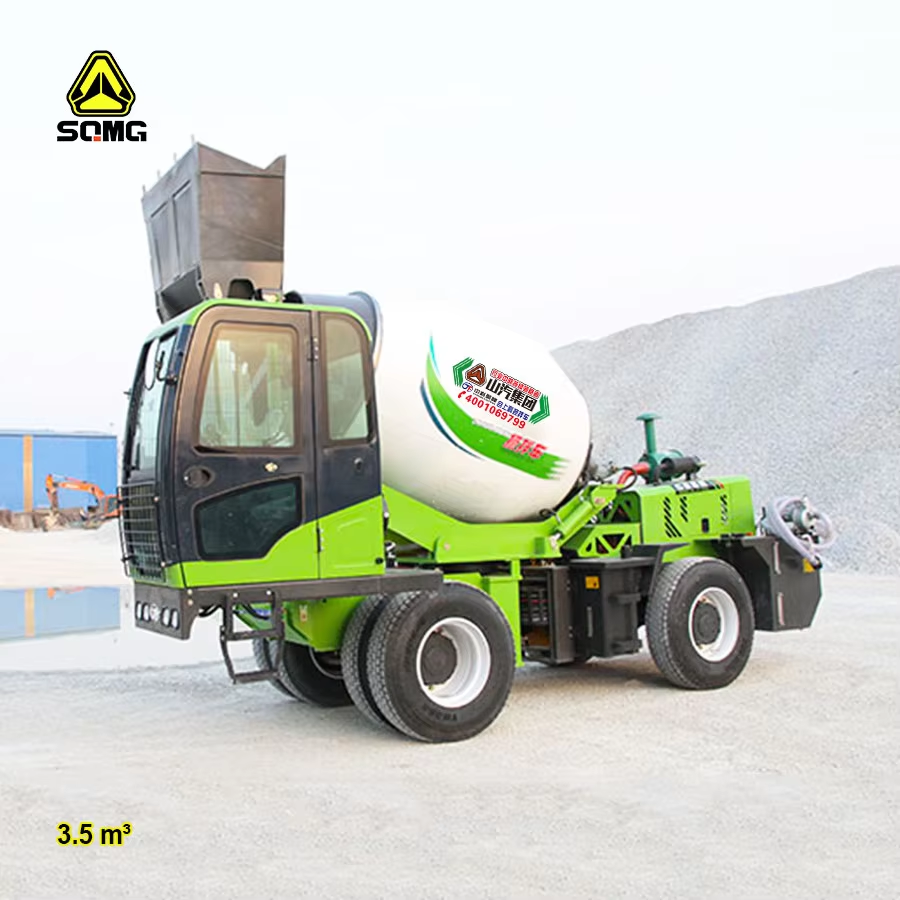
Self loading mixer trucks cut down on the need for multiple pieces of equipment by bringing together three main functions into one unit. These versatile machines take care of batching raw ingredients with their hydraulic arms, stir up the concrete while moving around in those spinning drums we all recognize, then dump the ready mix out through those automatic chutes at the jobsite - everything managed by just one person behind the wheel. For places where building roads in remote areas makes sense, having these all in one units really simplifies things since setting up separate mixing stations and transport vehicles just isn't practical there. According to the latest data from Construction Robotics in 2023, crews working with these integrated systems needed about half as much coordination between workers compared to traditional approaches, which definitely saves time and headaches on site.
Onboard Weighing and Automated Mixing Control
Good precision measurement systems keep mix ratios consistent without needing someone to watch over everything constantly. The better ones come equipped with load sensors capable of measuring aggregate weights within about 2% accuracy. These systems also tweak water cement ratios automatically depending on what they detect from moisture levels in real time. Such automated processes eliminate those strength issues that often plague manually operated equipment. According to recent field research published by Concrete Quality Institute back in 2023, there were around 35 percent fewer rejected batches when using these advanced systems versus older techniques. Meanwhile operators get to check all the important mixing details right from their dashboard displays while they're getting ready to position the truck for pouring at the next stage of construction.
Self-Loading Capability Reducing External Dependencies
An integrated front loader gives workers full 360 degree access to materials without needing extra equipment around. This really matters for things like fixing bridges where there just isn't enough room for regular loaders to work properly. These specialized trucks can hold between 8 to 10 cubic yards of raw material right on board. That means they can run several batches before needing to go back for more supplies. Field tests showed this capability cut down waiting time for materials by almost three quarters during highway construction projects in mountain areas according to Civil Engineering Quarterly from last year. The ability to operate independently makes all the difference when working somewhere far off the grid or where fuel supplies are limited.
Cost and Time Efficiency in Real-World Applications
Reduced Equipment and Labor Costs Through Integration
Self-loading mixer trucks consolidate concrete production workflows, replacing 3–4 separate machines (mixers, loaders, transporters) with a single operational unit. This integration cuts equipment leasing costs by 40–60% while requiring 2–3 fewer workers per shift, as shown in a 2023 ConstructionTech analysis of 12 infrastructure projects.
Time Savings From Eliminating Ready-Mix Delivery Delays
By enabling on-site material processing, these trucks avoid the 3–5 hour delays typical of ready-mix concrete delivery systems. Construction firms report completing foundation phases 22% faster when using self-loading capabilities, particularly in regions with unreliable logistics networks.
Long-Term ROI and Faster Production Cycles
A 2024 EquipmentWatch study found fleets using advanced mixer trucks achieved 18–24-month payback periods through 35% shorter project cycles and 28% lower rework rates. Continuous workflow optimization allows operators to complete 4–6 additional projects annually compared to conventional methods.
Mobility, Flexibility, and Project Adaptability
Superior Maneuverability on Remote and Confined Job Sites
Self loading mixer trucks tackle what has long been a headache for construction crews working in tough spots where regular equipment just can't reach. These machines are built much smaller than traditional mixers paired with pumps usually about 40 percent reduction in size which makes them capable of squeezing through tight city streets, winding mountain paths, and even thick forest areas that would stop bigger machinery dead in its tracks. With all wheel drive systems and ability to handle slopes up to 12 degrees, these trucks eliminate the hassle of preparing sites beforehand for around two thirds of all construction jobs as noted in recent industry reports from 2023.
Scalability Across Residential, Commercial, and Infrastructure Projects
These trucks work just as well for small backyard pools as they do for massive hydroelectric dams, keeping things consistent even when the job requires different sized batches. One person operating these machines can churn out anywhere from 4 to 8 cubic meters per hour. What's really impressive is how easy it is to scale up production by around three times just by changing the mixing cycle settings. Traditional ready mix deliveries often don't match what projects actually need, leading to wasted materials. Industry data shows this mismatch results in about 12% waste on average according to the Global Cement and Concrete Association back in 2022.
On-Demand Mixing Reduces Downtime and Idle Time
Self loading mixer trucks can complete the whole process from loading to pouring in just about 15 minutes flat, which means no more sitting around waiting for someone else to deliver materials. Contractors who have switched to these systems see their equipment sitting idle roughly 57 percent less than before when they used traditional methods. And there's another big plus too real time moisture sensors along with automatic slump controls make sure the mix is ready to work with right away. This knocks out those annoying 3 to 4 hour waits that happen all the time with regular pre mixed concrete batches that need to sit and rehydrate first.
Enhanced Quality Control, Safety, and Sustainability
Consistent Concrete Quality Through Precision Automation
Self-loading mixer trucks leverage precision automation to maintain optimal water-cement ratios and mixing durations, eliminating human error in batching. A 2024 Frost & Sullivan analysis found automated controls reduce material defects by 34% compared to manual operations while ensuring slump consistency across batches.
Reduced Material Waste with Exact On-Site Batching
Integrated weighing systems enable exact ingredient measurement, minimizing overproduction. Industry data shows this capability reduces raw material waste by 15–20% compared to traditional ready-mix delivery methods, aligning with sustainability goals in construction.
Improved Operator Safety and Ease of Use
Centralized controls and ergonomic cabin designs lower physical strain during loading and discharging cycles. Automated safety protocols, such as drum rotation locks and stability sensors, reduce accident risks by 41% according to OSHA guidelines. These advancements make self-loading mixer trucks a safer, more efficient solution for modern concrete workflows.
FAQ
What are the main drawbacks of traditional concrete operation methods?
Traditional methods often require multiple pieces of equipment and significant coordination, leading to inefficiencies and delays, increased costs, and potential quality issues.
How do self-loading mixer trucks improve efficiency on construction sites?
Self-loading mixer trucks combine batching, mixing, and discharging into one unit, reducing the need for multiple machines and personnel, and enabling more precise material management, which speeds up the construction process.
What cost savings can be expected with self-loading mixer trucks?
These trucks can reduce equipment leasing costs by 40–60% and require fewer workers, cutting overall construction costs significantly.
How do self-loading mixer trucks enhance safety and quality?
They offer consistent concrete quality through automated controls, reduce material waste, and have advanced safety features to minimize accidents and operator strain.